

Professional car tracker installation is the process of having a certified technician fit a GPS tracking device directly into your vehicle’s wiring, rather than plugging a unit into an OBD port yourself. The car tracker professional installation benefits go well beyond convenience. A properly fitted, Thatcham Research certified device gives insurers confidence that your vehicle is genuinely protected, which translates into real premium reductions and faster claims. For car owners and motorhome enthusiasts alike, understanding what professional fitting actually delivers is the first step to making a well-informed security decision.
1. Car tracker professional installation benefits: the core case
Professional vehicle tracking advantages start with one fact: a certified technician does far more than plug in a device. Installation typically takes 30–60 minutes, during which the technician hides the unit, connects it safely to a permanent power source, and tests every function before handing the vehicle back. That process guarantees the tracker works correctly from day one.
Thatcham Research is the UK’s central automotive risk intelligence organisation. It independently tests and certifies vehicle security systems, including trackers. Insurance companies use Thatcham ratings to assess theft risk, and many now require or reward a Thatcham-approved device with lower premiums. Professional installation is the standard that makes those ratings valid.
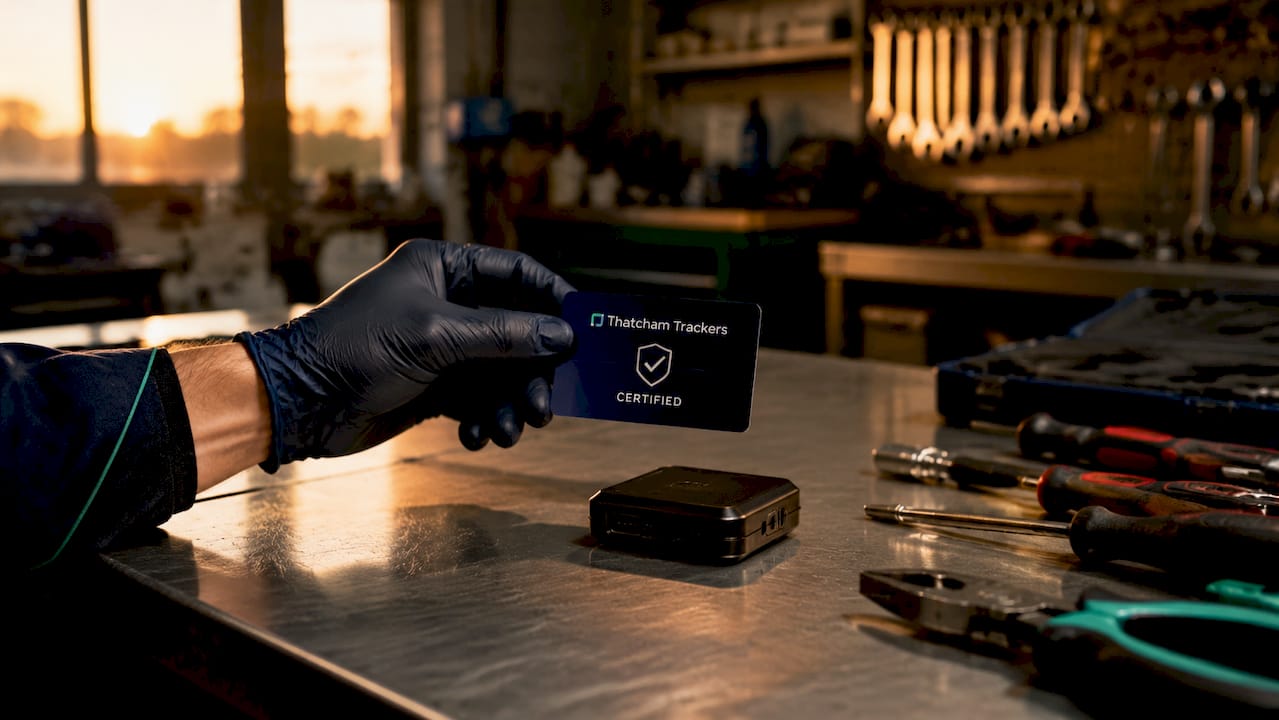
The three core benefits are reliability, security, and insurance impact. Each one depends on the others. A tracker that is poorly fitted may fail silently, leaving you unprotected and ineligible for any premium discount.
2. Why modern vehicle electronics demand expert fitting
Modern cars run on CAN bus architecture, a network that links every electronic system from the engine management unit to the airbags. Incorrect wiring into CAN bus circuits can cause intermittent faults that are expensive to diagnose and are not covered under manufacturer warranty. A certified installer knows which circuits are safe to tap and which to avoid entirely.
The risks of getting this wrong are not trivial:
- Tapping into airbag circuits can disable safety systems without triggering a warning light
- High-load wiring connections can cause voltage spikes that damage the tracker and surrounding components
- Poorly routed cables can chafe against metal edges, creating short circuits over time
- Incorrect earth connections produce data errors that make the tracker unreliable
Security experts confirm that incorrect wiring risks vehicle safety systems and voids warranties, which is precisely why professional fitting is not optional for anyone who wants full protection.
Pro Tip: Ask your installer to confirm which specific circuit they are connecting to before work begins. A reputable technician will name the circuit and explain why it is safe for tracker power.
Motorhome owners face an additional layer of complexity. Larger vehicles often carry leisure battery systems, inverters, and 240V hookups alongside the standard 12V automotive circuits. Specialist installation for large vehicles accounts for these additional power sources and places the tracker where it receives a clean, stable signal.
3. How professional fitting strengthens theft protection
Concealment is the single most important factor in tracker effectiveness. A visible device, such as one plugged into the OBD port under the dashboard, can be spotted and removed by an experienced thief in seconds. Hardwired GPS trackers installed by professionals reduce unauthorised removal by up to 90% compared to OBD port units, because the device is hidden behind trim panels and wired directly to the vehicle’s power supply.
Professional fitting also improves GPS and cellular reception. Installers position the antenna away from metal panels that block satellite signals, ensuring the tracker maintains a reliable fix even in underground car parks or rural areas.
Key security advantages of professional fitting include:
- The device is invisible to thieves conducting a pre-theft inspection
- Hardwired connections mean the tracker cannot be unplugged without dismantling the interior
- Correct antenna placement maximises signal strength in all environments
- Continuous power from the vehicle means the tracker draws only 50–150mA and operates reliably for 5–10 years without battery replacement
“Tracked vehicles are considered lower risk by insurers, offering potential lower premiums and faster claims processing.”
That outcome only holds when the tracker is genuinely operational. A device that loses power or signal because of a poor installation delivers none of those benefits.
4. Insurance advantages of a professionally installed tracker
Insurers view a professionally installed, Thatcham-approved tracker as hard evidence of reduced theft risk. Insurance providers offer premium discounts for vehicles with Thatcham-approved trackers because tracked vehicles are statistically easier to recover and less likely to result in a total loss claim.
The insurance benefits of professional fitting break down into four areas:
- Premium reduction. Thatcham-approved devices signal to underwriters that the vehicle meets a recognised security standard. That directly reduces the risk score used to calculate your premium.
- Faster claims processing. When a theft occurs, GPS tracking data provides a verified location history. Insurers can process claims more quickly when the evidence is clear and timestamped.
- Compliance with policy conditions. Some high-value car and motorhome policies require a Thatcham-approved tracker as a condition of cover. Professional installation is the only way to satisfy that requirement.
- Documentation of fitment. A certified installer provides a fitting certificate. That document proves to your insurer that the device was installed correctly, not simply purchased and left in the glovebox.
The insurance case for Thatcham trackers is straightforward: the lower the insurer’s perceived risk, the lower your premium. Professional installation is what makes the Thatcham rating credible.
5. Resale value and peace of mind
A professionally installed tracker adds a measurable layer of appeal when you sell your vehicle. Certified fitment improves buyer trust and perceived value, because buyers know the security system was installed correctly and is fully operational. This is particularly relevant for motorhomes, where buyers are acutely aware of theft risk and insurance costs.
The peace of mind benefits are equally concrete:
- You can share live location with family members, which matters for motorhome trips to remote areas
- Geofence alerts notify you immediately if the vehicle moves without authorisation
- Stolen vehicle recovery services, often included with Thatcham S5 and S5 Plus devices, give police a real-time location to act on
- Knowing your tracker protects car value over the long term reduces the financial anxiety that comes with owning a high-value vehicle
Full testing and app configuration completed before you collect the vehicle means every alert, notification, and tracking function works from the moment you drive away. There is no troubleshooting period and no uncertainty about whether the device is active.
6. Professional installation versus DIY: outcomes and costs
The upfront cost of professional fitting is the most common reason car owners consider a DIY approach. The comparison does not hold up under scrutiny.
| Factor | Professional installation | DIY installation |
|---|---|---|
| Concealment quality | Hidden behind trim, fully hardwired | Often visible or partially concealed |
| Electrical risk | Minimal, correct circuits used | High, risk of faults and warranty voids |
| Warranty impact | None | Potential void if wiring causes damage |
| Insurance compliance | Meets Thatcham certification requirements | May not satisfy insurer conditions |
| Long-term reliability | Tested, 5–10 year operational life | Variable, dependent on installer skill |
| Time to complete | 30–60 minutes by a certified technician | Hours, with no guarantee of correct fitment |
DIY installation risks include poor concealment, battery drain, electrical faults, and visible devices that attract thieves. These risks outweigh any upfront saving. A single electrical fault on a modern vehicle can cost several hundred pounds to diagnose and repair.
Pro Tip: When professional installation is included free with tracker purchase, the cost comparison becomes straightforward. Check whether the device you are considering comes with a fitting service before pricing DIY alternatives.
The hidden installation guide from Thatcham Trackers covers the specific techniques certified installers use to protect both the device and the vehicle’s electronics during fitting.
Key takeaways
Professional car tracker installation delivers verified security, insurance compliance, and long-term reliability that DIY fitting cannot match.
| Point | Details |
|---|---|
| Thatcham certification matters | Only professionally installed, Thatcham-approved devices satisfy insurer requirements and qualify for premium discounts. |
| CAN bus risk is real | Incorrect wiring into modern vehicle electronics can void warranties and cause costly, intermittent faults. |
| Concealment drives security | Hardwired trackers hidden by professionals are up to 90% harder to remove than visible OBD port units. |
| Insurance documentation | A fitting certificate from a certified installer proves compliance and speeds up claims processing. |
| Long-term value | Professionally fitted trackers operate reliably for 5–10 years and improve vehicle resale appeal. |
The Thatcham Trackers view on professional fitting
Across the vehicles we see, the pattern is consistent. Owners who fit a tracker themselves often do so with good intentions but without full knowledge of their vehicle’s wiring architecture. The result is a device that works intermittently, sits in a location a thief would find within minutes, or draws power in a way that causes dashboard warning lights months later.
The insurance interaction is where this matters most. When a customer contacts their insurer after a theft and the tracker has no location data because of a power fault, the claim becomes complicated. The insurer questions whether the device was ever properly operational. That conversation is avoidable.
What we have found is that the Thatcham certification process exists precisely to prevent this. Thatcham Research does not certify a device in isolation. The installation standard is part of the approval. A tracker fitted outside that standard is, in practical terms, a different product to the one the insurer agreed to recognise.
The future of vehicle security will involve tighter integration between tracking systems and vehicle telematics. That integration will make professional fitting even more critical, not less. Choosing a certified installer now is the right decision for 2026 and for every year the vehicle remains on the road.
— Thatcham Trackers
Thatcham-approved trackers with professional installation
Thatcham Trackers supplies insurance-approved tracking devices across the S5, S5 Plus, and S7 certification categories, with professional installation available as part of the package.
Every device in the Thatcham-approved tracker range meets the standards insurers require, and fitting is carried out by certified technicians who understand both the device and the vehicle. For motorhome owners, the S5 Plus range offers advanced features including stolen vehicle recovery and 24-hour monitoring. Choosing a device with professional installation included removes the guesswork from compliance and gives you a fitting certificate your insurer will accept without question.
FAQ
Does professional installation affect my car insurance premium?
Yes. Insurers offer premium discounts for vehicles fitted with Thatcham-approved trackers because tracked vehicles present a lower theft risk and are easier to recover.
How long does professional car tracker installation take?
Professional installation typically takes 30–60 minutes. A certified technician hides the device, connects it to a safe power source, and tests all functions before the work is complete.
Can I install a car tracker myself and still get insurance benefits?
Not reliably. Most insurers require a Thatcham-approved device fitted to the certification standard, which means professional installation. A DIY fit may not satisfy policy conditions.
What is the difference between a Thatcham S5 and S7 tracker?
Thatcham S5 trackers include stolen vehicle recovery with 24-hour monitoring. S7 trackers provide GPS tracking without the full monitoring service. Both require professional installation to qualify for insurance recognition.
Will a professionally installed tracker affect my vehicle warranty?
No, provided the installer uses the correct circuits and avoids safety-critical wiring. A certified technician knows which connections are safe, protecting both the tracker’s performance and your manufacturer warranty.